
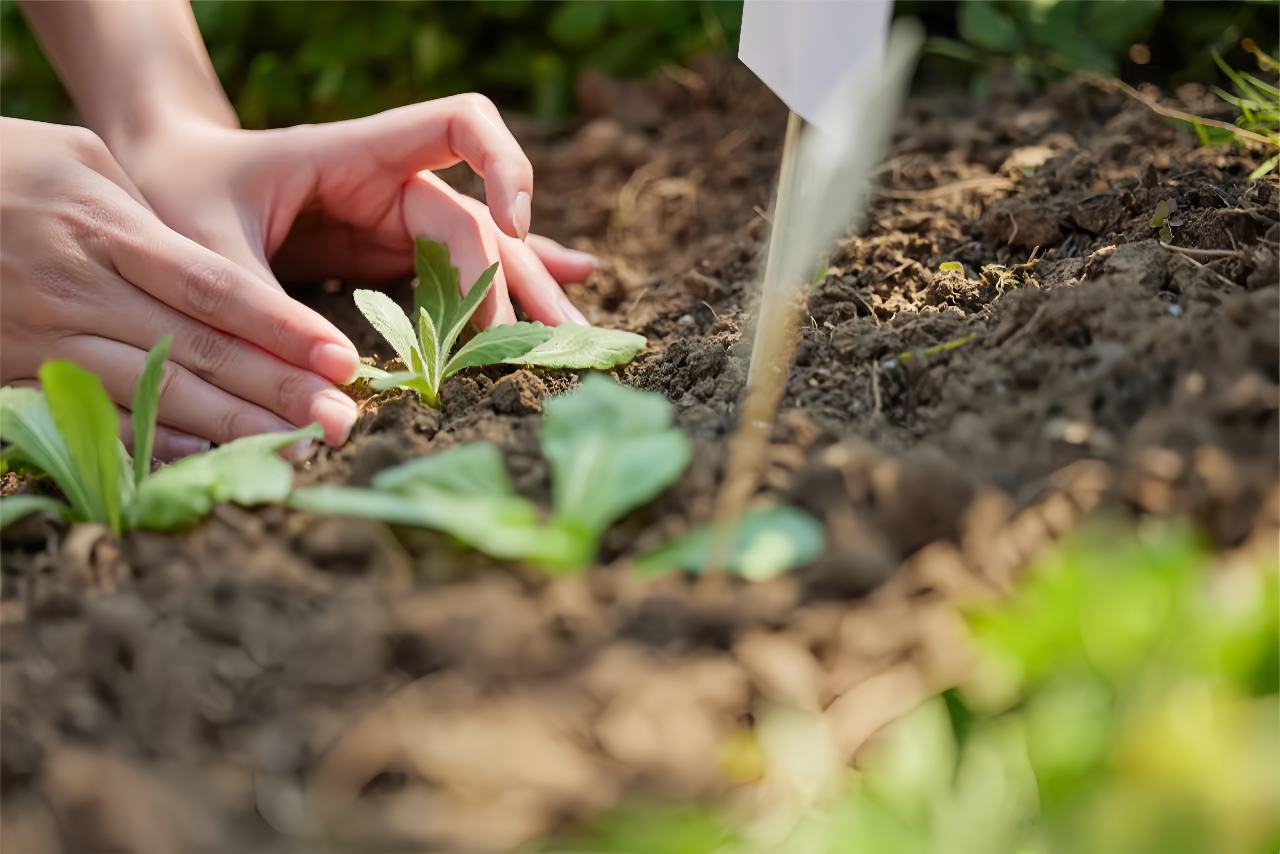
🌱 Introduction: The Big Move
After weeks of caring for your seedlings indoors, it’s finally time for the big moment — moving them outside!
Transplanting is a critical stage that can make or break your plants’ success. Done right, your seedlings will thrive in their new environment; done too early or roughly, they might suffer from shock or even die.
This guide will help you know when to transplant and how to do it right.
🌤️ 1. Know When Your Seedlings Are Ready
Not every seedling matures at the same pace. Here are a few ways to tell if yours are ready to move outdoors:
-
🌿 They have at least 2–3 sets of true leaves.
-
🌱 Roots are visible through drainage holes but not circling tightly.
-
💪 Stems look strong and upright.
-
🌡️ Outdoor temperatures stay above 10°C (50°F) at night.
If nights are still cold, wait a little longer — rushing can do more harm than good.
🌞 2. Understand Your Climate and Frost Dates
Before transplanting, check your region’s last frost date.
Planting too early, when the soil is still cold, can stunt growth or kill tender seedlings.
You can easily find local frost information using online tools or gardening apps by entering your ZIP code (for the US) or postal code (for Europe).
Tip: Most warm-season crops (like tomatoes, peppers, and melons) should only be transplanted after the last frost date.
🍃 3. The Hardening Off Process: Step-by-Step
Your seedlings have grown in a controlled indoor environment — now they must adapt to real outdoor conditions like sunlight, wind, and temperature changes.
This gradual adaptation is called hardening off.
Here’s how to do it safely:
| Day | What to Do |
|---|---|
| Day 1–2 | Place seedlings outdoors in partial shade for 2–3 hours. |
| Day 3–4 | Increase exposure to 4–5 hours, still shaded during midday. |
| Day 5–6 | Leave outside for most of the day, including mild sunlight. |
| Day 7–8 | Keep them outdoors overnight if temperatures are stable. |
| Day 9–10 | Your seedlings are ready for full outdoor planting! |
Pro tip: Avoid windy or rainy days during the hardening period. Gradual exposure builds strong, resilient plants.
🌿 4. How to Transplant Seedlings Outdoors
Once seedlings are hardened and the weather is right, follow these steps:
Step 1: Choose the Right Time of Day
Transplant in the early morning or late afternoon — avoid the harsh midday sun.
Step 2: Prepare the Soil
Loosen soil at least 6–8 inches deep. Mix in compost or organic fertilizer for better root growth.
Step 3: Water Before Transplanting
Moist soil helps protect delicate roots during the move.
Step 4: Carefully Remove Seedlings
Hold the plant by its leaves, not the stem. Use a small trowel to lift it out with some soil attached.
Step 5: Plant at the Same Depth
Place seedlings into holes deep enough for the roots. Fill gently with soil and press lightly.
Step 6: Water Again
Water right after planting to help roots settle and reduce transplant shock.
🍀 5. Aftercare: Helping Your Transplants Adjust
-
Shade them for the first 1–2 days if the sun is intense.
-
Mulch around the base to retain moisture and regulate temperature.
-
Water consistently, especially during the first week.
-
Watch for pests, which often target young, tender plants.
🚫 Common Transplanting Mistakes
| ❌ Mistake | ⚠️ Why It’s a Problem | ✅ What to Do |
|---|---|---|
| Transplanting too early | Cold stress or frost damage | Wait until consistent warm weather |
| Not hardening off | Sunburned or wilted plants | Gradually expose seedlings |
| Pulling seedlings by stem | Breaks plant tissue | Lift by leaves or soil block |
| Dry soil before planting | Roots dry out fast | Always water before and after |
🌸 Final Thoughts
Transplanting seedlings outdoors is one of the most exciting milestones in gardening.
With patience, timing, and gentle care, your young plants will quickly adjust and reward you with strong growth and vibrant harvests.
🌻 What’s Next?
Even experienced gardeners make mistakes during seed starting and transplanting.
Don’t worry — in our next article, we’ll cover the most common problems and how to fix them.
👉 Read the next guide: “Common Mistakes When Growing Plants from Seeds (and How to Avoid Them).”