
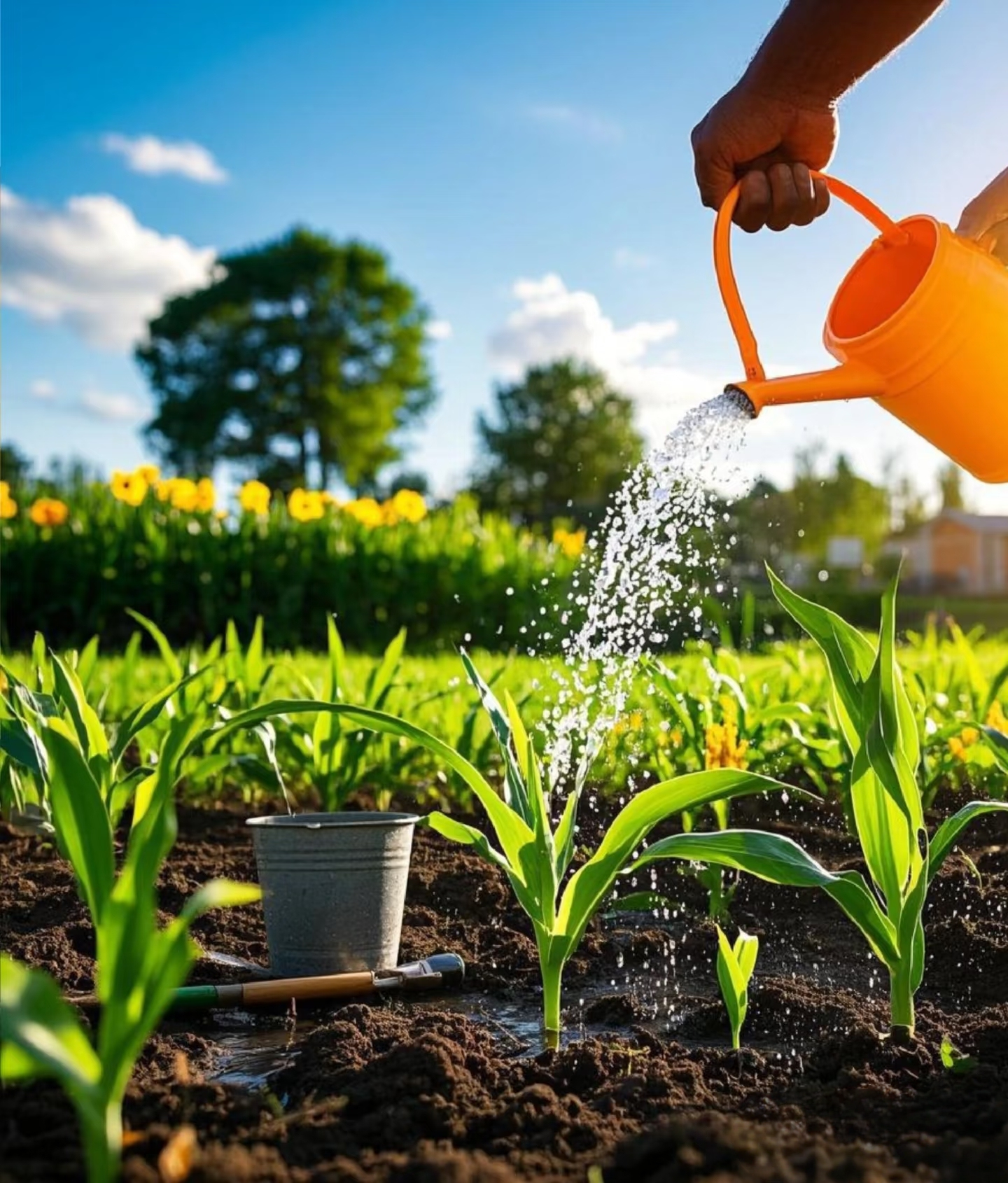
🌱 Introduction: Even the Best Gardeners Make Mistakes
Starting plants from seeds is exciting — but also a little tricky.
Many beginners face issues like seeds that won’t sprout, seedlings that fall over, or plants that simply don’t survive.
The good news? Most of these problems are completely fixable.
Let’s go over the most common mistakes gardeners make when growing from seeds, and how you can avoid them for a healthy, thriving garden.
🌾 Mistake #1: Using the Wrong Soil
Regular garden soil is too heavy and compact for seedlings. It can trap water, suffocate roots, and invite diseases.
✅ How to Fix It
Use a light, sterile seed-starting mix instead.
It drains well, holds enough moisture, and prevents fungus from forming.
Avoid reusing old potting soil — it may carry mold or pests.
💧 Mistake #2: Overwatering (or Underwatering)
Both too much and too little water can kill young plants.
Soggy soil leads to “damping-off,” a fungal disease that makes stems collapse.
On the other hand, dry soil stops germination altogether.
✅ How to Fix It
-
Keep soil consistently moist, not soaked.
-
Use a spray bottle or bottom watering tray.
-
Ensure containers have drainage holes.
💡 Tip: The soil should feel like a wrung-out sponge — damp but not dripping.
🌞 Mistake #3: Not Enough Light
Seedlings stretch and weaken when they don’t get enough light. You’ll notice long, thin stems leaning toward the window — a sign of “leggy” growth.
✅ How to Fix It
-
Provide 12–16 hours of bright light daily.
-
Place seedlings under LED grow lights about 2–4 inches above the plants.
-
Rotate trays every few days for even growth.
🌡️ Mistake #4: Starting Seeds Too Early or Too Late
Timing matters. If you start seeds too early, seedlings can outgrow their containers before it’s warm enough outside.
If you start too late, they might not have time to mature before the season ends.
✅ How to Fix It
Check your local frost dates and seed packets for recommended sowing times.
Most seeds should be started 6–8 weeks before the last frost.
🌿 Mistake #5: Skipping the Hardening-Off Process
After weeks indoors, seedlings are delicate. Moving them straight outdoors without adjustment can shock them — resulting in wilting or death.
✅ How to Fix It
Gradually expose seedlings to outdoor light and wind over 7–10 days (the hardening-off process).
Start with partial shade for a few hours daily, and slowly increase exposure time.
🌻 Mistake #6: Planting Seeds at the Wrong Depth
Some seeds need light to germinate, while others need darkness.
Planting too deep prevents oxygen from reaching the seed; too shallow can dry it out.
✅ How to Fix It
Follow the instructions on the seed packet — as a general rule:
-
Tiny seeds: barely cover with soil
-
Medium seeds: ¼ inch deep
-
Large seeds: ½–1 inch deep
🌸 Mistake #7: Ignoring Temperature and Humidity
Seeds germinate best in warm, stable conditions.
Cold or fluctuating temperatures can delay or stop germination.
✅ How to Fix It
-
Keep soil between 68–77°F (20–25°C) using a seedling heat mat.
-
Use a humidity dome or plastic cover until seeds sprout, then remove it.
🪴 Mistake #8: Crowding the Seedlings
It’s tempting to sow lots of seeds in one tray — but overcrowding leads to competition for light, air, and nutrients.
✅ How to Fix It
Once seedlings have 2–3 leaves, thin them out by snipping weaker ones at the soil line.
Each plant needs its own space to thrive.
🌼 Mistake #9: Transplanting Without Preparation
Planting seedlings outdoors too soon or roughly can damage roots and shock the plant.
✅ How to Fix It
-
Always water before transplanting.
-
Handle plants by their leaves, not stems.
-
Transplant during cool parts of the day, like morning or evening.
-
Read our full guide: Transplanting Seedlings Outdoors: When and How to Do It Right.
🌿 Bonus: Using Old or Poor-Quality Seeds
Seeds lose viability over time, especially if stored in hot or humid conditions.
✅ How to Fix It
-
Store seeds in a cool, dry, and dark place.
-
Label them with purchase dates.
-
Do a quick germination test — place 10 seeds in a damp paper towel; if fewer than 7 sprout, they’re too old.
🌷 Final Thoughts
Every gardener learns through mistakes — it’s part of the journey!
The key is observation and patience. By avoiding these common pitfalls, you’ll enjoy healthier seedlings, higher germination rates, and a garden full of life.
🌻 What’s Next?
Now that you know how to avoid common problems, it’s time to plan your garden seasonally for the best results.
👉 Read the next guide: “Seasonal Planting Guide: What to Grow from Seeds Each Season.”