
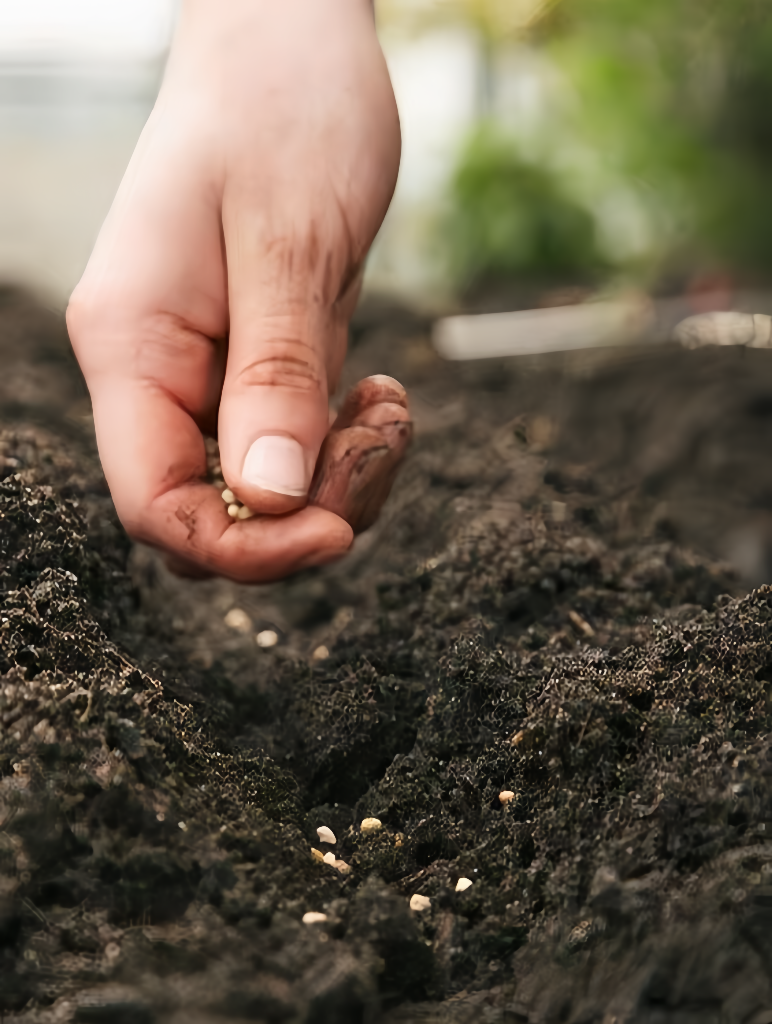
🌸 Introduction:
Seed saving is one of the most sustainable — and satisfying — parts of gardening.
When you harvest seeds from your own plants, you’re not just saving money; you’re building a personal seed bank perfectly adapted to your growing conditions.
In this guide, you’ll learn how to harvest, clean, and store seeds safely so they stay viable for future planting.
🌼 1. Why Save Your Own Seeds?
-
🌿 Self-sufficiency: Reduce reliance on store-bought seeds.
-
💰 Cost savings: One packet can become a lifetime supply.
-
🌸 Better adaptation: Seeds collected locally tend to perform better next season.
🌻 2. Best Plants for Seed Saving (Beginner-Friendly)
Start with plants that produce reliable seeds and don’t cross-pollinate easily:
-
Tomatoes
-
Peas
-
Beans
-
Lettuce
-
Marigolds
-
Sunflowers
Avoid hybrid plants — they won’t grow true to type.
🌿 3. How to Harvest Seeds Step-by-Step
-
Let the plant fully mature — seeds ripen only when fruits or pods are fully dry.
-
Collect on a dry day to prevent mold.
-
Clean seeds: remove pulp, chaff, or debris.
-
Dry seeds completely (1–2 weeks on a paper towel).
-
Label & store in airtight jars or paper envelopes.
🧺 4. Proper Storage Tips
-
Keep seeds in a cool, dry, and dark place.
-
Ideal humidity: below 50%.
-
You can refrigerate seeds — just make sure they’re completely dry first.
💡 Pro Tip: Add a silica gel packet to prevent moisture buildup.
🌱 5. When to Use Saved Seeds
Most seeds remain viable for 2–5 years.
Before planting, test germination by placing 10 seeds on a damp paper towel — if 7+ sprout, your seeds are still good!
🌼 Conclusion
By saving your own seeds, you close the gardening loop — turning each harvest into the start of something new.
It’s sustainable, rewarding, and keeps your garden uniquely yours.
👉 Next, discover how to grow your garden in harmony with nature in our next article:
Eco-Friendly Gardening: Sustainable Practices for Seed Growers →